


The Best Ways to Get Rid of Bed Bugs in Your Home

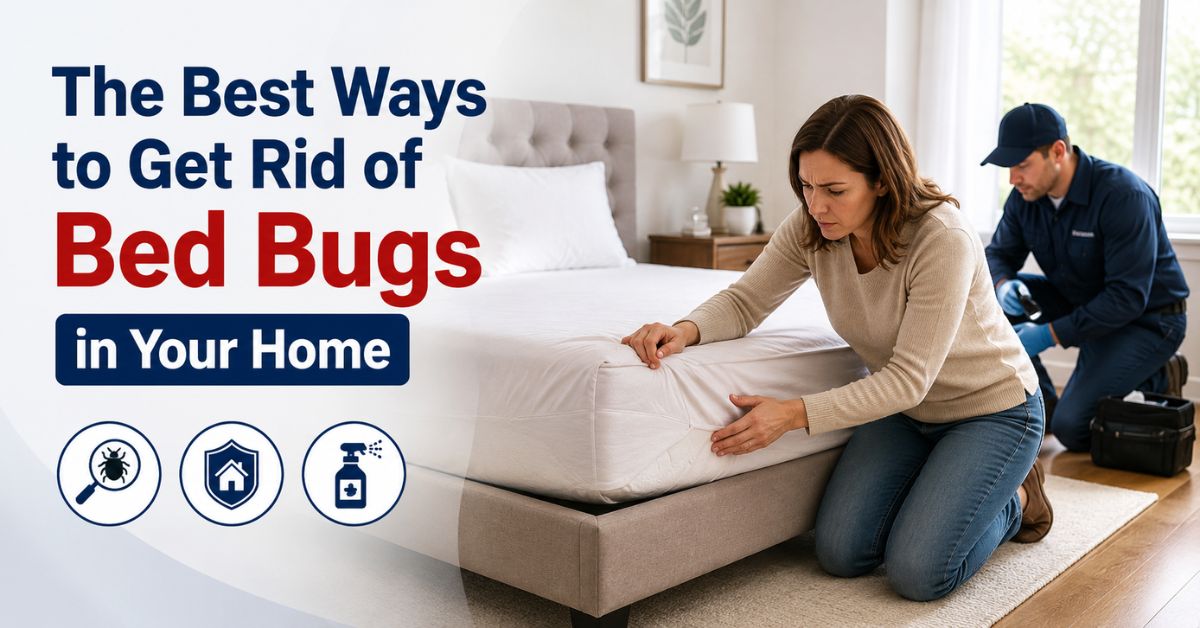
Bed bugs are one of those household problems that feel deeply personal, even though they are not a sign of poor hygiene. The NHS says they are found in both clean and dirty places, and the British Association of Dermatologists notes they can turn up in very tidy homes because what they are really after is a blood meal, not dirt. What makes them so stressful is the combination of itchy bites, disturbed sleep, the effort needed to clear them, and the fact that they are very good at hiding. For hotels, guest houses, student accommodation and other high-turnover properties, the stakes are even higher because infestations can lead to room closures, refunds, replacement costs and reputational damage.
If you are searching for how to get rid of bed bugs, the most important thing to know is this: quick action matters, but random action often makes the problem worse. The NHS says bed bugs are hard to find and may be resistant to some insecticides, while recent scientific reviews confirm that resistance remains a major reason simple spray-only approaches can fail. In practical terms, that means the best results come from a structured plan: confirm the infestation, contain it, use heat and cleaning correctly, reduce hiding places, and bring in a professional when the problem is established or spreading.
Why bed bugs are so difficult to eliminate
Bed bugs are hard to beat because they do not stay politely on the mattress waiting to be found. The NHS and BPCA both note that they can hide in bed frames, furniture, clothing, behind pictures, under loose wallpaper and in cracks and crevices around the room. Their flat bodies let them squeeze into tiny spaces, and the CDC notes they can spread by hitchhiking in luggage, bags, folded clothes, bedding and furniture. That is why infestations often begin after travel or after bringing in second-hand items.
They are also resilient. The CDC says bed bugs can live several months without a blood meal, which is one reason leaving a room empty rarely solves the problem. At the same time, research shows insecticide resistance is now widespread in many bed bug populations, so an amateur product that seems powerful may still miss the bugs that matter most. In other words, bed bugs are difficult not because there is no solution, but because the solution usually has to be layered and persistent.
This matters beyond the bites. Bed bugs are not known to spread disease to people, according to the CDC and the British Association of Dermatologists, but that does not make them harmless. They can cause itching, loss of sleep and, in some people, significant anxiety. A peer-reviewed study found sleep disturbance and anxiety symptoms were more common among people exposed to bed bug infestation. That is why treating bed bugs properly is not just about comfort or cleanliness; it is about health, wellbeing and peace of mind.
How to tell whether you really have bed bugs
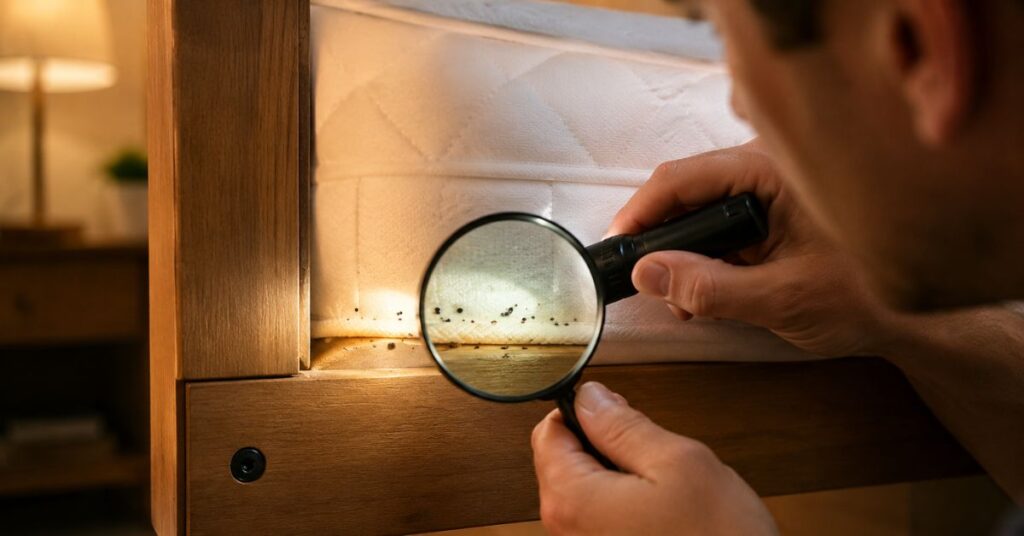
Bites alone are not enough for a confident diagnosis because bites can be mistaken for reactions to mosquitoes, fleas or other causes. A stronger diagnosis comes from matching symptoms with physical signs. The NHS says the main clues are bites on exposed skin while sleeping, blood spots on bedding, and small brown spots on bedding or furniture from bed bug droppings. BPCA adds that adults are small, flat and reddish-brown, roughly the size of an apple seed.
Look carefully around the places where people sleep or rest. Start with mattress seams, the headboard, bed frame joints, bedside furniture, skirting boards, sofas and upholstered chairs. Bed bugs tend to stay near their host, especially early in an infestation, so your first inspection should focus on the area around the bed rather than the entire house at once.
The most useful signs to check for are these:
- Live bugs, pale eggs or shed skins in seams, cracks and joints.
- Rusty or bloody marks on sheets and pillowcases.
- Small dark faecal spots on mattresses, bed frames or nearby furniture.
- Bites that appear in lines or groups on exposed skin, especially after sleeping.
If you are unsure, bed leg interceptors can help. Research reviews and field studies have found interceptors can be more effective than visual inspection for detecting low-level infestations and for monitoring whether treatment is working. They are not a complete cure on their own, but they are useful for confirming whether bugs are still active.
The step-by-step plan that gives you the best chance of success
Start by containing the problem
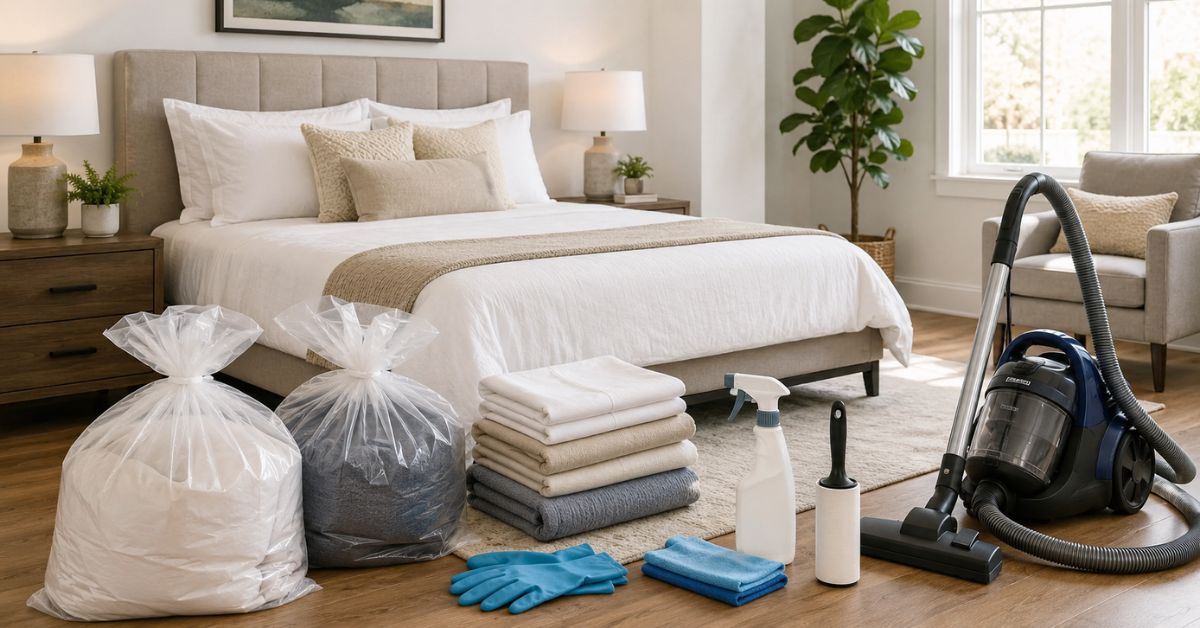
The first goal is to stop spreading bed bugs to other rooms. Do not carry loose clothing, bedding or soft items through the home. Instead, bag them where they are found, seal the bags, and move them straight to washing, drying or treatment. Avoid sleeping on the sofa “for a few nights” because that can simply encourage the infestation to spread to a new resting area. The British Association of Dermatologists specifically says you should continue to sleep in the bed if you can, because bed bugs will climb up to feed and this keeps their activity focused where treatment is happening.
Use heat properly on fabric items
For washable items, follow the NHS guidance: wash affected bedding and clothing at 60°C and tumble dry on a hot setting for at least 30 minutes. For items that cannot be washed, the NHS advises sealing them in a plastic bag and putting them in the freezer for two to three weeks. This is one of the simplest high-value steps because heat applied properly can kill both bugs and eggs.
Science backs up why heat works. Experimental studies show bed bugs die quickly at high temperatures, but eggs are harder to kill than adults. Research has found complete control depends not just on temperature, but on holding that temperature long enough, which is why a quick blast from a household heater is not the same thing as a proper treatment cycle in a dryer, steamer or professional heat system.
Remove as many bugs and hiding places as possible
Vacuuming will not solve an infestation by itself, but it reduces numbers and helps you find where activity is concentrated. Vacuum mattress seams, bed frame joints, the headboard, skirting boards, nearby flooring and upholstered furniture. The NHS recommends regular cleaning and vacuuming because it helps you spot bed bugs early, and UK council guidance advises disposing of vacuum contents carefully after use. At the same time, reduce clutter around the bed, because clutter creates harbourages that make treatment slower and less reliable.
Mattress and divan encasements are worth considering after inspection and cleaning. They do not kill every bed bug in the room, but they reduce hiding places, trap any bugs already inside the cover, and make later inspections much easier. EPA guidance for integrated pest management recommends encasements as part of a broader control programme, not as a stand-alone fix.
Isolate the bed and monitor activity
Once the bed area has been cleaned and treated, make it harder for bugs to climb up unnoticed. Interceptor cups under the bed legs can help catch bugs moving to and from the bed, and they are useful for measuring progress over time. For them to work well, the bed should not be touching the wall and bedding should not hang onto the floor. That small setup change can make a big practical difference during treatment.
What to do in the first 24 hours
If you want a realistic same-day checklist, focus on these actions first:
- Bag all affected bedding, sleepwear and washable fabrics in the room before moving them.
- Wash at 60°C and tumble dry hot for at least 30 minutes, or freeze sealed non-washables for the NHS-recommended period.
- Vacuum the bed, frame, skirting boards and surrounding floor carefully, then dispose of the contents safely.
- Reduce clutter around the bed and avoid moving untreated items to other rooms.
- Arrange council pest control or a qualified pest professional if you have clear signs of infestation. The NHS advises contacting your local council or pest control service, and GOV.UK provides a route to council pest control in England and Wales.
When you should bring in a professional
If you are seeing live bugs after cleaning, finding activity in more than one room, or living in a flat, terrace conversion, student accommodation or other shared building, professional help is usually the smarter route. BPCA warns that self-treatment with amateur pesticides is highly unlikely to be successful, and BAD states that clearing bed bugs often requires professional help and may need multiple treatments. In multi-occupancy properties, BPCA also notes that treating one room or flat without checking adjacent units can lead to failure because bed bugs may spread between neighbouring spaces.
A good professional service will not rely on one spray and wishful thinking. Integrated pest management programmes combine inspection, preparation, non-chemical measures, targeted product use, and follow-up visits. EPA guidance advises looking for companies that offer both chemical and non-chemical options, provide pre-treatment instructions, recommend monitoring tools such as interceptors and encasements, and include follow-up. UK councils often structure bed bug treatments as more than one visit, which reflects the reality that newly hatched bugs can appear after the first round.
If chemicals are used, UK rules matter. The Health and Safety Executive says you should only buy pesticides authorised for storage and use in the UK, and you should look for the MAFF, MAPP or HSE approval number on the label. BPCA’s code of practice also stresses that product labels are legal requirements and must be followed. This is a good reason to be sceptical of random online remedies or imported “miracle” sprays.
There are also methods you should avoid. EPA guidance warns against relying on foggers as the sole bed bug treatment because the aerosol often does not reach the cracks and crevices where bed bugs hide, and studies have found over-the-counter total-release foggers ineffective against bed bugs. EPA also warns against dangerous DIY approaches such as rubbing alcohol, kerosene and gasoline because of health and fire risks.
How to stop bed bugs coming back
The long-term strategy is early detection and fewer opportunities for bed bugs to hitchhike into the property again. The CDC and BPCA both emphasise that luggage, clothing, bedding and second-hand furniture are common routes of spread. BAD advises keeping suitcases on a raised luggage stand rather than the floor in hotels, and the NHS says not to bring second-hand furniture indoors without checking it carefully first. Those are small habits, but they prevent a surprising number of infestations.
For households, prevention is mostly about routines: inspect after travel, wash trip clothes promptly, keep clutter down around sleeping areas, and keep an eye on beds, sofas and guest rooms. For businesses in hospitality or short-term lets, prevention needs to be more systematic. BPCA notes that bed bugs can be costly to hospitality businesses because treatment may require room closures and replacement of items, while reputational damage can reduce future bookings. In that setting, staff training, routine inspections and a written response plan are not “nice to have” extras; they are basic risk control.
The most effective prevention habits are simple:
- Inspect mattresses, bed frames and nearby furniture after guests, tenants or travel.
- Be cautious with second-hand furniture, especially mattresses and upholstered items.
- Keep luggage off beds and floors when travelling, and inspect it before bringing it back inside.
- Use encasements and monitors in high-risk rooms or after a recent infestation.
- In flats or shared buildings, report signs early so adjacent areas can be checked if needed.
Conclusion
Getting rid of bed bugs is rarely about finding one magic product. It is about understanding how they behave and responding in a way that matches that behaviour. Because bed bugs hide well, spread on belongings, and can resist some insecticides, the most reliable approach is an integrated one: confirm the infestation, contain it, use heat and laundering correctly, remove hiding places, monitor activity, and involve a qualified professional when the infestation is established or in a shared building.
The future outlook points in the same direction. Research continues to show that resistance makes “quick-fix” pesticide thinking less dependable, while integrated pest management remains the most sustainable path. For homes, that means acting early and avoiding panic purchases. For businesses, it means training, inspection and documented response plans. The sooner bed bugs are identified, the easier and cheaper they usually are to control.
FAQs
Can I get rid of bed bugs myself?
You can reduce numbers yourself with washing, drying, vacuuming, decluttering and encasements, but the NHS says DIY steps are unlikely to get rid of them completely, and BPCA strongly recommends professional help for a suspected infestation.
Do bed bugs mean my home is dirty?
No. The NHS says bed bugs are found in both clean and dirty places, and the British Association of Dermatologists says they can be found in very clean homes.
What kills bed bugs most reliably?
Heat is one of the most reliable tools when applied correctly. The NHS recommends a 60°C wash and hot tumble dry for fabrics, and laboratory studies show high temperatures kill bed bugs and eggs when the target temperature is reached for long enough.
Should I throw away my mattress?
Not usually as a first step. A mattress can often be cleaned, professionally treated and sealed in a proper encasement; throwing it out too early can be expensive and may spread bugs through the home if it is moved carelessly. Encasements are recommended as part of integrated management.
How long does it take to get rid of bed bugs?
It depends on how long the infestation has been present, how many rooms are involved, and whether neighbouring rooms or flats are affected. BAD notes that multiple treatments may be needed, and many control programmes include follow-up rather than a single visit.


