

Blog
How to Dress a Bed: A Simple Layer-by-Layer Guide


A beautifully dressed bed should look inviting without taking ten minutes to dismantle every night. The secret is not simply adding more cushions and blankets. It is choosing a few useful layers, arranging them in the right order and allowing the bed frame to remain part of the design.
Whether you prefer crisp hotel styling or a softer, lived-in look, the following steps will help you dress a bed that feels comfortable, balanced and practical.
What do you need to dress a bed?
Most beds only require the following:
- A breathable mattress protector
- A fitted or flat sheet
- A duvet and duvet cover
- One or two sleeping pillows per person
- One to three decorative cushions
- A throw, quilt or lightweight bedspread
Every item should serve a purpose. If a layer makes the bed too warm, hides the frame or constantly ends up on the floor, it probably does not belong there.
1. Begin with a clean, smooth foundation
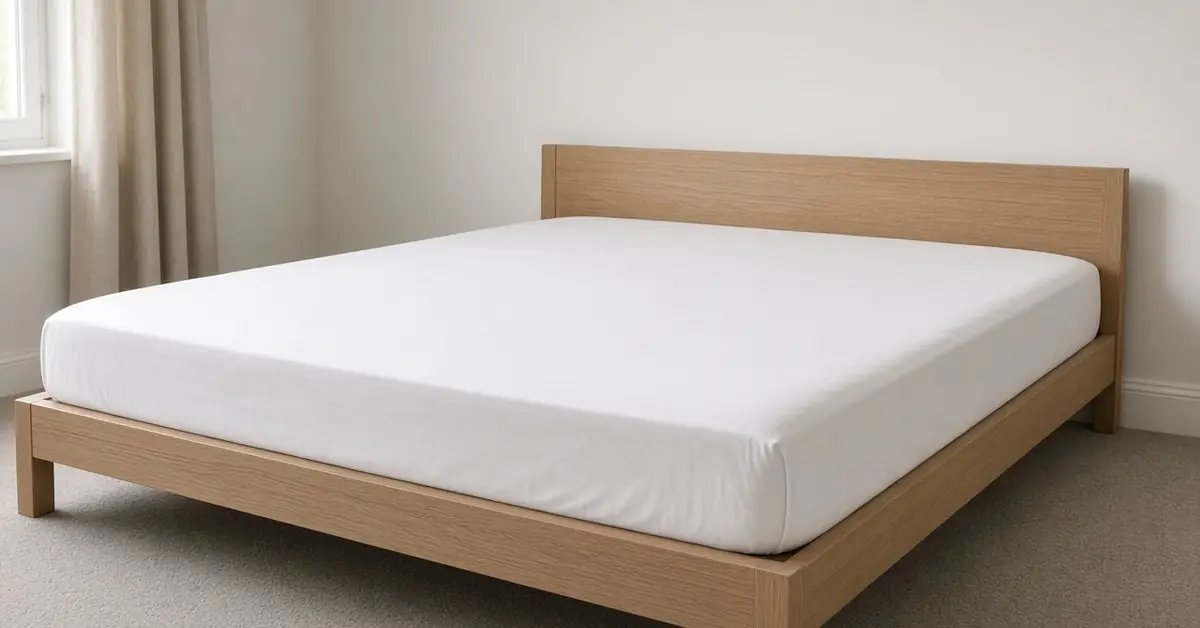
Start with a mattress protector. It creates a washable barrier between the mattress and your bedding, helping to protect against moisture, marks and everyday wear.
Next, fit the bottom sheet tightly. Measure the depth of the mattress—including any topper—before buying a fitted sheet. A sheet that is too shallow will pull off the corners, while one that is too deep can gather beneath you.
A flat top sheet is optional. It can add a crisp hotel-style finish and provide a light covering during warmer weather, but it also creates another layer to straighten each morning. Choose it because you enjoy using it, not simply because styled photographs include one.
2. Choose colours that complement the bed frame
Treat the bed frame as part of the colour scheme rather than covering it completely. Timber already brings warmth, grain and natural variation to a room, so bedding often looks best when it complements these qualities.
For example, pale oak works naturally with oatmeal, warm white, sage and muted blue. Darker walnut or stained timber can support stronger shades such as rust, forest green or deep navy. A painted wooden bed may suit cleaner whites, soft greys or restrained patterns.
Begin with one calm base colour, add a supporting shade and reserve any bolder colour for a cushion or throw. The pieces do not need to match exactly; slight variations create more depth than a completely co-ordinated bedding set.
3. Add and shape the duvet

Shake the duvet so the filling reaches each corner, then spread it evenly across the mattress. Check that the drop is similar on both sides before smoothing the top.
For a neat finish, fold the upper 20–30 centimetres of the duvet back towards the foot of the bed. This reveals the sheet or pillowcases and prevents the duvet from appearing like one large, uninterrupted block of fabric.
Use a duvet intended for your UK bed size as the starting point. Sizing up can create a fuller drape, but only do so after considering the mattress height and frame. Too much fabric may pool on the floor or conceal an attractive wooden footboard.
4. Arrange the sleeping pillows first

Sleeping pillows form the practical back row. On a double, king or super king bed, place two pillows side by side for a simple arrangement. Use four—two in front of two—if you want greater height and a more generous hotel appearance.
Pillows can be stood upright against the headboard for a structured look or laid flatter for a relaxed one. Oxford pillowcases, with their fabric border, add a decorative edge without requiring another cushion.
On a single bed, one well-filled pillow and a small decorative cushion are often enough. Overfilling a narrow bed quickly makes it look crowded.
5. Use decorative cushions with restraint
Decorative cushions should finish the arrangement rather than dominate it. One long lumbar cushion creates a clean, contemporary look. Alternatively, place two medium square cushions in front of the sleeping pillows and add one smaller cushion centrally.
Introduce interest through either pattern or texture. A velvet cushion against crisp cotton bedding works because the surfaces contrast. If the duvet is already patterned, plain cushions in one of its quieter colours will usually look more considered than another competing print.
A useful test is simple: if removing the cushions every evening feels like a chore, there are too many.
6. Create depth through texture
A bed dressed entirely in one smooth fabric can look flat, even when the colours are attractive. Mix finishes instead of adding several unrelated shades.
Crisp cotton percale works well with a waffle or knitted throw. Washed linen suits a quilted bedspread, while brushed cotton adds warmth during colder months. Combining one smooth surface with one visibly textured layer is usually enough to give the bed depth.
Keep comfort in mind. Heavy fabrics may look cosy but can make the bed uncomfortably warm, particularly when combined with a high-tog duvet.
7. Finish with a throw or bedspread
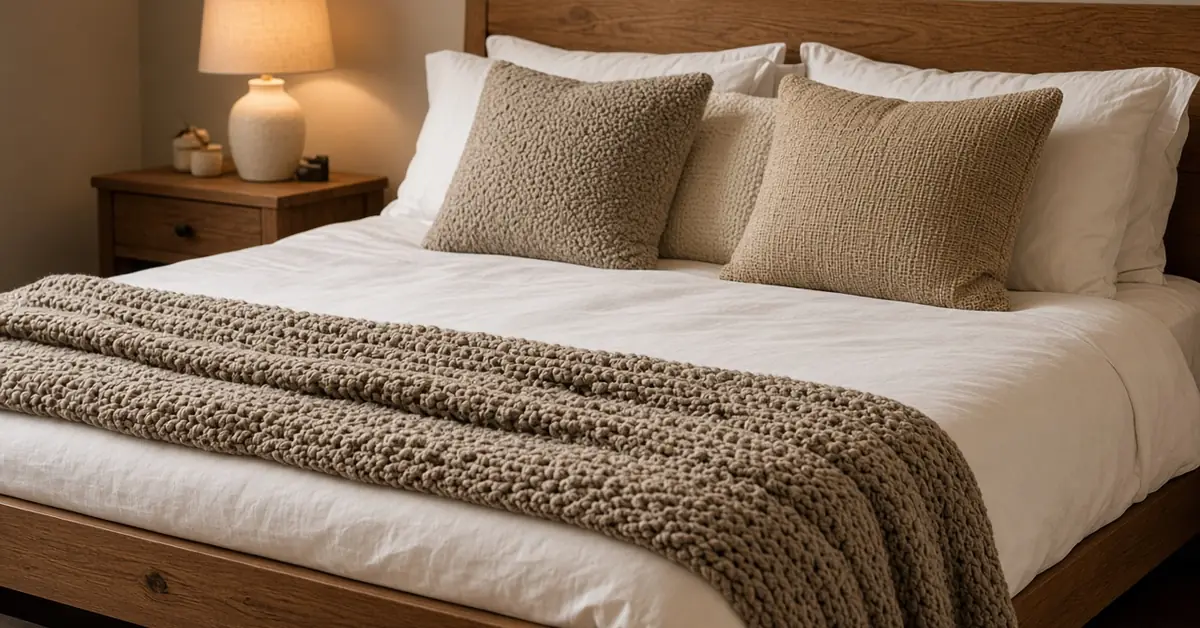
Place the final layer across the lower third of the bed. For a tailored finish, fold a throw lengthways into a wide band and lay it evenly across the mattress. For a more relaxed room, drape it loosely over one bottom corner.
The throw should look generous rather than undersized, but it does not need to reach the floor. If the bed has a distinctive footboard, keep enough of it visible so the bedding does not overwhelm the frame.
A quilt or bedspread can replace the throw when you want greater coverage. Fold it back rather than spreading multiple heavy layers across the entire bed.
Common bed-dressing mistakes
- Ignoring mattress depth when choosing a fitted sheet
- Using so many colours that the bed loses a clear focal point
- Placing small cushions in front of very large pillows with no gradual change in scale
- Adding thick layers that are removed and left on the floor every night
- Hiding the headboard, footboard or timber details beneath excess bedding
- Choosing delicate materials that do not suit the household’s washing routine
Keep the arrangement practical
Store decorative cushions in a basket, blanket box or on a bench rather than dropping them beside the bed. Air the mattress when changing the sheets and always follow the care label when washing bedding. If someone in the household has a confirmed dust-mite allergy, washable bedding and easily removable layers are particularly useful.
Seasonal changes do not require a completely new bedding set. In summer, remove the heavier quilt and use breathable sheets with one light throw. In winter, introduce brushed cotton, wool or a quilted layer while retaining the same core colour scheme.
The frame sets the tone for every layer. Compare a clean upholstered design such as the Delasette flat-panel upholstered bed with a timber frame like the Brealume curved-edge wooden bed, or refresh an existing divan with the Savathiel horizontal-panel upholstered headboard.
Conclusion
The best way to dress a bed is to work from comfort outwards: protect the mattress, fit the sheet properly, shape the duvet, arrange the sleeping pillows and then add only the decorative layers that earn their place.
A wooden bed already provides natural character, so the bedding does not need to compete for attention. A calm foundation, controlled colour palette and one or two contrasting textures will create a more polished result than a pile of matching accessories.
Most importantly, build an arrangement that can evolve. With reliable neutral bedding at its centre, changing one throw or cushion is enough to refresh the bed for a new season without replacing everything around it.
Frequently asked questions
What order should bedding be layered in?
Begin with the mattress protector and sheet, followed by the duvet, sleeping pillows, decorative cushions and finally a throw, quilt or bedspread.
How many cushions should you put on a bed?
One to three decorative cushions are enough for most beds. A single lumbar cushion is ideal for a simple look, while two square cushions and one smaller accent cushion create a fuller arrangement.
Should a duvet be larger than the bed?
A duvet made for the corresponding UK bed size is normally the safest choice. You can size up for a deeper drop, but check that it will not trail on the floor or hide the bed frame.
How do you dress in a bed without a headboard?
Stand firm sleeping pillows upright to create height, then place a lumbar or square cushion in front. A quilt or throw can add a focal point lower down without relying on a headboard.
How can you make a bed look luxurious on a budget?
Use freshly washed, well-fitting bedding, plump the duvet into its corners and keep the arrangement symmetrical. One generously sized textured throw often looks more luxurious than several small, inexpensive accessories.